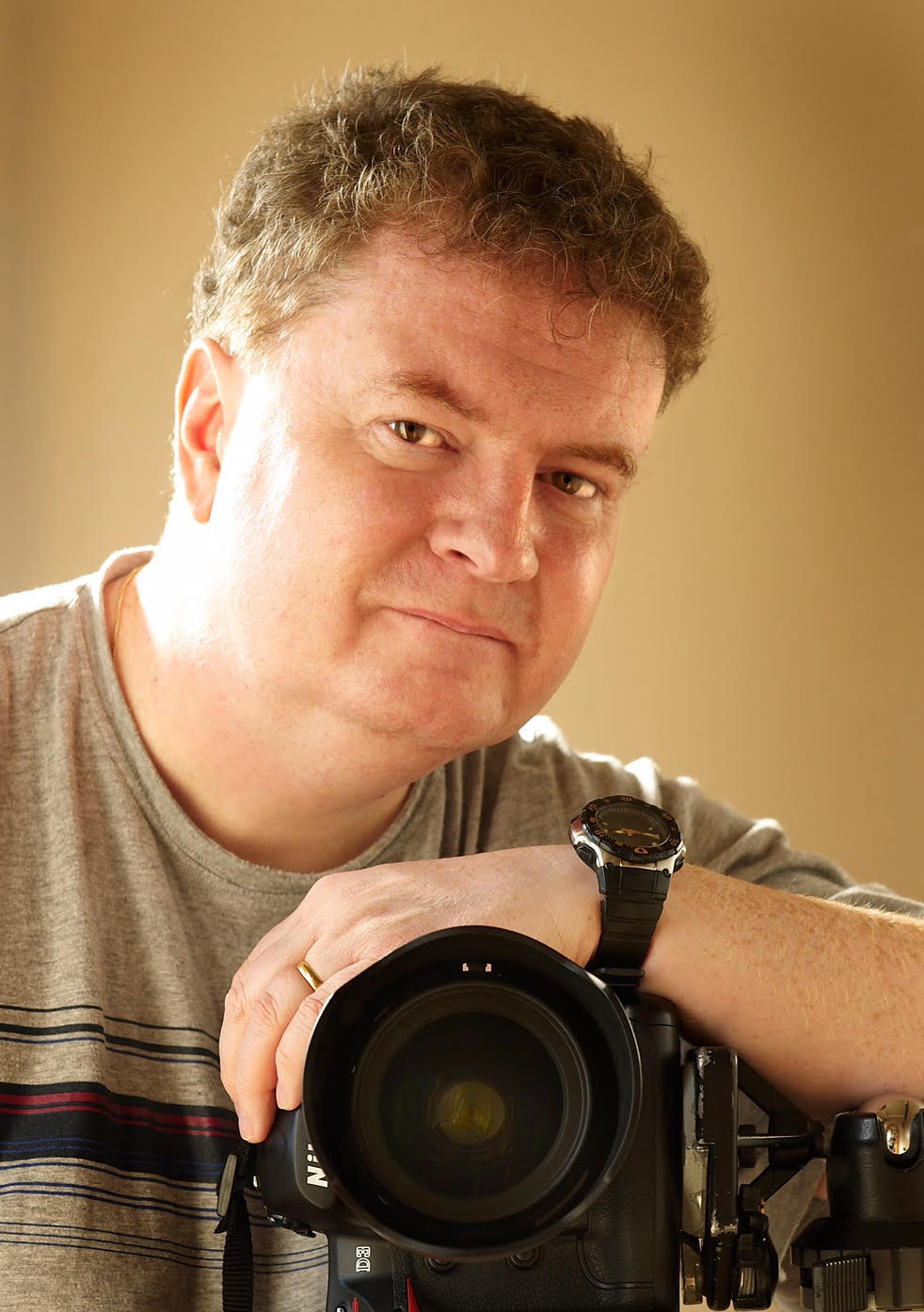
An interview with the incredible award-winning photographer Stuart Wood, whose work has inspired photographers worldwide and earned him numerous accolades in the photographic community.
The Interview
How long have you been into photography? Was there a reason you got into it?
I've been passionate about photography for over 25 years. I got into it initially as a way to document my travels and experiences, but it quickly became much more than that. Photography became my way of seeing and understanding the world around me. I was drawn to its ability to capture moments that would otherwise be lost to time.
What photographers past or present inspire you if any?
I'm deeply inspired by the work of Ansel Adams for his mastery of light and composition, and Henri Cartier-Bresson for his ability to capture the decisive moment. I also admire contemporary photographers like Sebastião Salgado for their powerful documentary work, and I'm constantly inspired by the work of my peers in the photographic community.
Did you decide deliberately on the style of photography that you currently do or did it just naturally evolve?
My style has evolved naturally over many years of practice and experimentation. I started with landscapes and gradually expanded into other genres as my interests and skills developed. I've always been drawn to images that tell a story or evoke an emotional response, and that has influenced the direction my photography has taken.
What is your favourite image that you've taken to date and why?
My favorite image is one I took during a storm at the coast. The light was incredibly dramatic, with dark clouds and shafts of sunlight breaking through. It's not my most technically perfect image, but it captures a moment of raw natural power that I'll never forget. It reminds me why I love photography - for those rare moments when everything comes together perfectly.
Most photographers have a favourite lens that they keep going back to, do you have one and if so what is it and why is it your favourite?
My favorite lens is my 70-200mm f/2.8. It's incredibly versatile and produces beautiful images with great bokeh. I love the way it compresses perspective and allows me to isolate subjects from their backgrounds. It's also built like a tank and handles all weather conditions, which is important for the type of photography I do.
What is your next project going to be?
I'm working on a long-term documentary project about coastal communities and how they're adapting to climate change. I want to tell the stories of the people who live and work in these areas, and document the changes happening to their environments. It's a challenging but important project that I hope will raise awareness of these issues.
Do you remember your first camera and what was it?
My first serious camera was a Nikon F90X. It was a film camera that taught me the fundamentals of photography - the relationship between aperture, shutter speed, and ISO. I learned so much with that camera about composition and exposure, and I still think shooting film made me a better photographer by forcing me to be more deliberate with each shot.
What is it about photography that you love the most?
I love photography's ability to freeze moments in time and preserve memories that would otherwise be lost. There's something magical about capturing a perfect moment of light or a fleeting expression. Photography has also taught me to see the world more carefully and appreciate the beauty in everyday moments.
What do you think you'll be photographing in ten years time?
I hope to still be exploring new techniques and pushing my creative boundaries. I'd like to continue working on documentary projects that address important social and environmental issues. I also want to mentor younger photographers and help them develop their own voices. Photography is a lifelong journey of learning and discovery.
If you could give just one piece of advice to someone who wanted to start out in photography today what would it be?
Learn the fundamentals thoroughly - composition, exposure, and light. But more importantly, develop your own vision and voice. Don't try to copy other photographers' styles. Instead, find what moves you and pursue that passionately. Also, never stop learning and experimenting. The best photographers are always students of their craft.
Gallery
Explore more from IAFP
Continue your journey with more interviews and practical photographer resources.