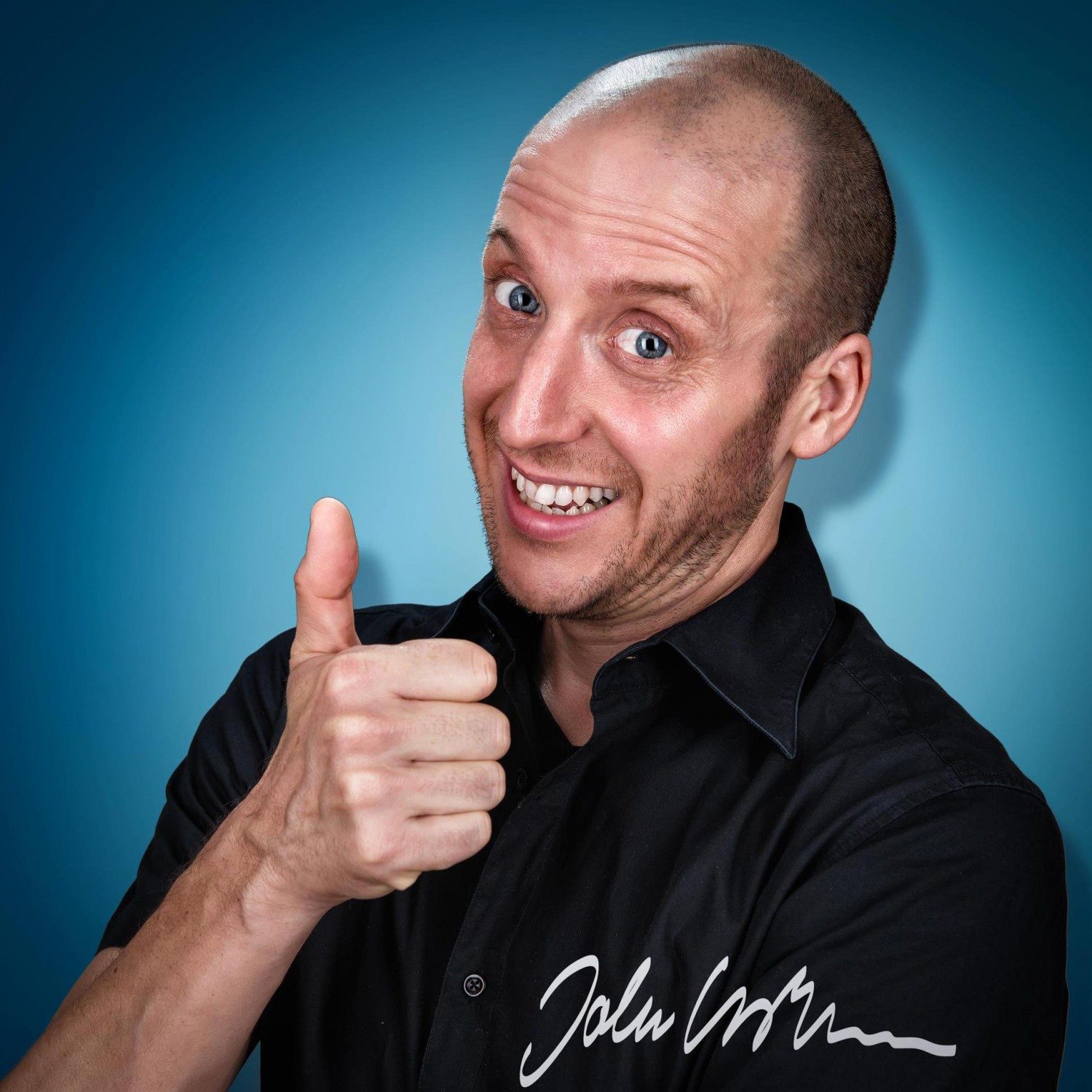
Meet John Wilhelm from Switzerland and his incredible story-telling images that evoke powerful emotions. John's work demonstrates the power of photography to capture and convey deep human experiences.
The Interview
How long have you been into photography? Was there a reason you got into it?
I've been passionate about photography for over 20 years. I got into it as a way to document my travels and experiences while living abroad. Photography became my way of processing the world around me and connecting with people across different cultures. What started as simple travel documentation evolved into a deep interest in documentary photography and storytelling.
What photographers past or present inspire you if any?
I'm deeply inspired by the work of Sebastião Salgado for his powerful documentary photography and his ability to tell human stories with such compassion. I also admire the work of Dorothea Lange for her ability to capture the human condition during difficult times. Their work shows how photography can be a powerful tool for social change and understanding.
Did you decide deliberately on the style of photography that you currently do or did it just naturally evolve?
It evolved naturally through my experiences and what I was drawn to photograph. I started with landscapes and travel photography, but gradually found myself more interested in capturing human moments and cultural interactions. The documentary style developed as I learned to build trust with subjects and tell their stories authentically.
What is your favourite image that you've taken to date and why?
My favorite image is a portrait I took of an elderly woman in a remote village. The light was perfect, and she had such a strong, dignified presence. The image captures not just her face, but her entire life story in her eyes. It's a reminder of how photography can preserve and honor human dignity.
Most photographers have a favourite lens that they keep going back to, do you have one and if so what is it and why is it your favourite?
My favorite lens is my 85mm f/1.4. It's perfect for portraits and allows me to maintain a respectful distance while still creating intimate images. The shallow depth of field helps isolate subjects from their environment, and the focal length creates a natural perspective that feels comfortable to viewers.
What is your next project going to be?
I'm working on a long-term documentary project about cultural preservation and how traditional ways of life are adapting to modern changes. I want to document these transitions with sensitivity and respect, showing both the challenges and the resilience of communities.
Do you remember your first camera and what was it?
My first serious camera was a Nikon F100. It was a film camera that taught me to be deliberate with every shot since film was expensive. I learned so much about photography fundamentals with that camera - it forced me to think about composition, exposure, and timing.
What is it about photography that you love the most?
I love photography's ability to create empathy and understanding across cultures and experiences. A single image can tell a story that words cannot, and can connect people who might never meet in person. Photography has the power to change perspectives and open hearts to new ways of seeing the world.
What do you think you'll be photographing in ten years time?
I hope to still be working on documentary projects that address important social and cultural issues. I'd like to explore more collaborative projects where communities have a voice in how their stories are told. I also want to mentor younger photographers and help them develop their own voices.
If you could give just one piece of advice to someone who wanted to start out in photography today what would it be?
Approach your subjects with respect and genuine curiosity. Build relationships before taking pictures. The best photographs come from trust and understanding, not just technical skill. Also, don't be afraid to fail - every great photographer has taken thousands of bad photos. Learn from your mistakes and keep pushing yourself to grow.
Gallery
Explore more from IAFP
Continue your journey with more interviews and practical photographer resources.