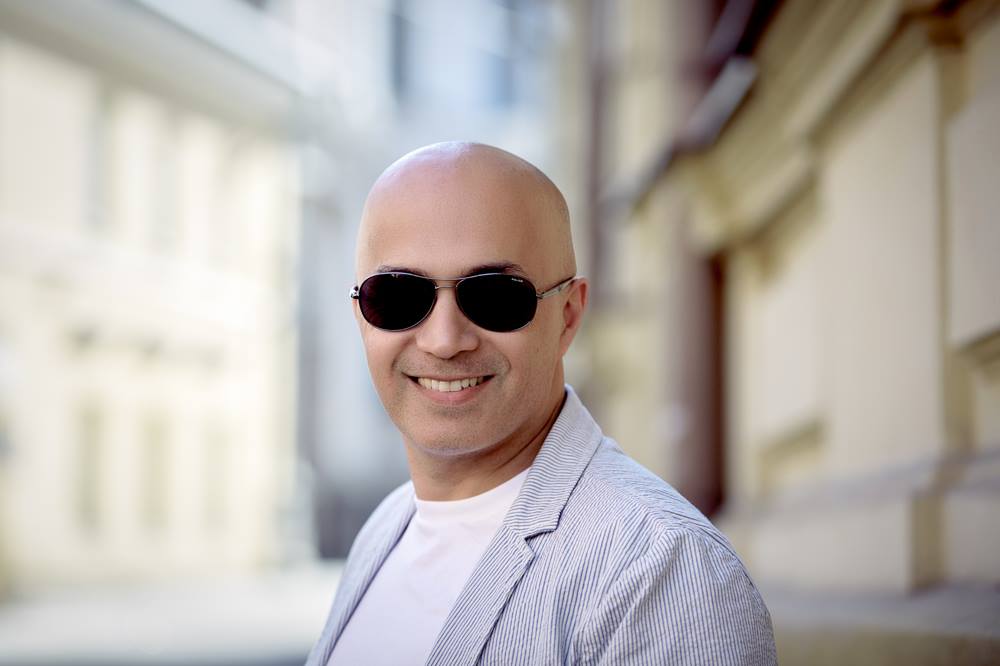
An interview with the amazing Kamal Mostofi, whose work inspires photographers across the globe. Kamal's unique perspective and creative vision have made him a respected figure in the photographic community.
The Interview
How long have you been into photography? Was there a reason you got into it?
I've been passionate about photography for over 15 years. I got into it initially as a way to document my travels and experiences. What started as simple travel photography evolved into a deep love for street photography and documentary work. I was drawn to the ability of photography to capture authentic moments and tell stories without words.
What photographers past or present inspire you if any?
I'm deeply inspired by Henri Cartier-Bresson's concept of the decisive moment, and his ability to capture life as it unfolds. I also admire the work of Sebastião Salgado for his powerful documentary photography, and Vivian Maier for her incredible street photography. Their work shows how photography can reveal the beauty and complexity of everyday life.
Did you decide deliberately on the style of photography that you currently do or did it just naturally evolve?
It evolved naturally through my experiences and what I was drawn to photograph. I started with landscapes and travel photography, but gradually found myself more interested in capturing human moments and street scenes. The style developed as I learned to anticipate moments and understand light better.
What is your favourite image that you've taken to date and why?
My favorite image is a street photograph I took in Istanbul. It shows an elderly man reading a newspaper in a café, with beautiful light streaming through the window. The image captures a moment of quiet contemplation that feels timeless. It's not technically perfect, but it has an emotional quality that I find compelling.
Most photographers have a favourite lens that they keep going back to, do you have one and if so what is it and why is it your favourite?
My favorite lens is my 35mm f/1.4. It's the perfect focal length for street photography - wide enough to capture context but not so wide that it distorts. The fast aperture allows me to work in low light, and it's small enough to be unobtrusive. It's the lens I use for about 80% of my work.
What is your next project going to be?
I'm working on a long-term documentary project about urban communities and how people interact with their environment. I want to explore the relationship between people and the spaces they inhabit, particularly in rapidly changing cities.
Do you remember your first camera and what was it?
My first serious camera was a Canon EOS 300D. It was a basic DSLR, but it opened up a whole new world of creative possibilities. I learned so much about photography with that camera - it was my introduction to manual controls and different lenses.
What is it about photography that you love the most?
I love photography's ability to freeze moments in time and reveal the extraordinary in the ordinary. There's something magical about capturing a fleeting expression or a perfect moment of light. Photography has taught me to see the world differently and to appreciate the beauty in everyday moments.
What do you think you'll be photographing in ten years time?
I hope to still be exploring street photography and documentary work, but I'd like to expand into more conceptual projects. I'm interested in how photography can address social issues and tell important stories. I also want to experiment with different formats and techniques.
If you could give just one piece of advice to someone who wanted to start out in photography today what would it be?
Shoot what you love and what moves you emotionally. Don't worry about what others think or what's popular. Develop your own vision and style. Also, spend more time looking at great photography than buying new equipment. Study the work of masters and understand what makes their images powerful.
Gallery
Explore more from IAFP
Continue your journey with more interviews and practical photographer resources.